When we eat foods, often times we tend to look at the label and assume that if it says there are 12 grams of protein then that’s the protein our bodies have just gained. However, that’s not exactly true. Bioavailability is defined as the rate and degree to which a substance is absorbed into the bloodstream and transported around the body where it’s needed. Of those 12 grams of protein, only a finite percentage may be available. In fact, other foods like avocado can actually increase the bioavailability of proteins because of the way its good fats help facilitate digestion.
Cannabis follows the same rules of bioavailability that food does. For example, less than 10% of the CBD in your gummies is actually going to even hit your bloodstream. The particular consumption method and physiological processes involved in cannabis use have a profound effect on its benefits or would-be-benefits.
What affects the bioavailability of cannabis?
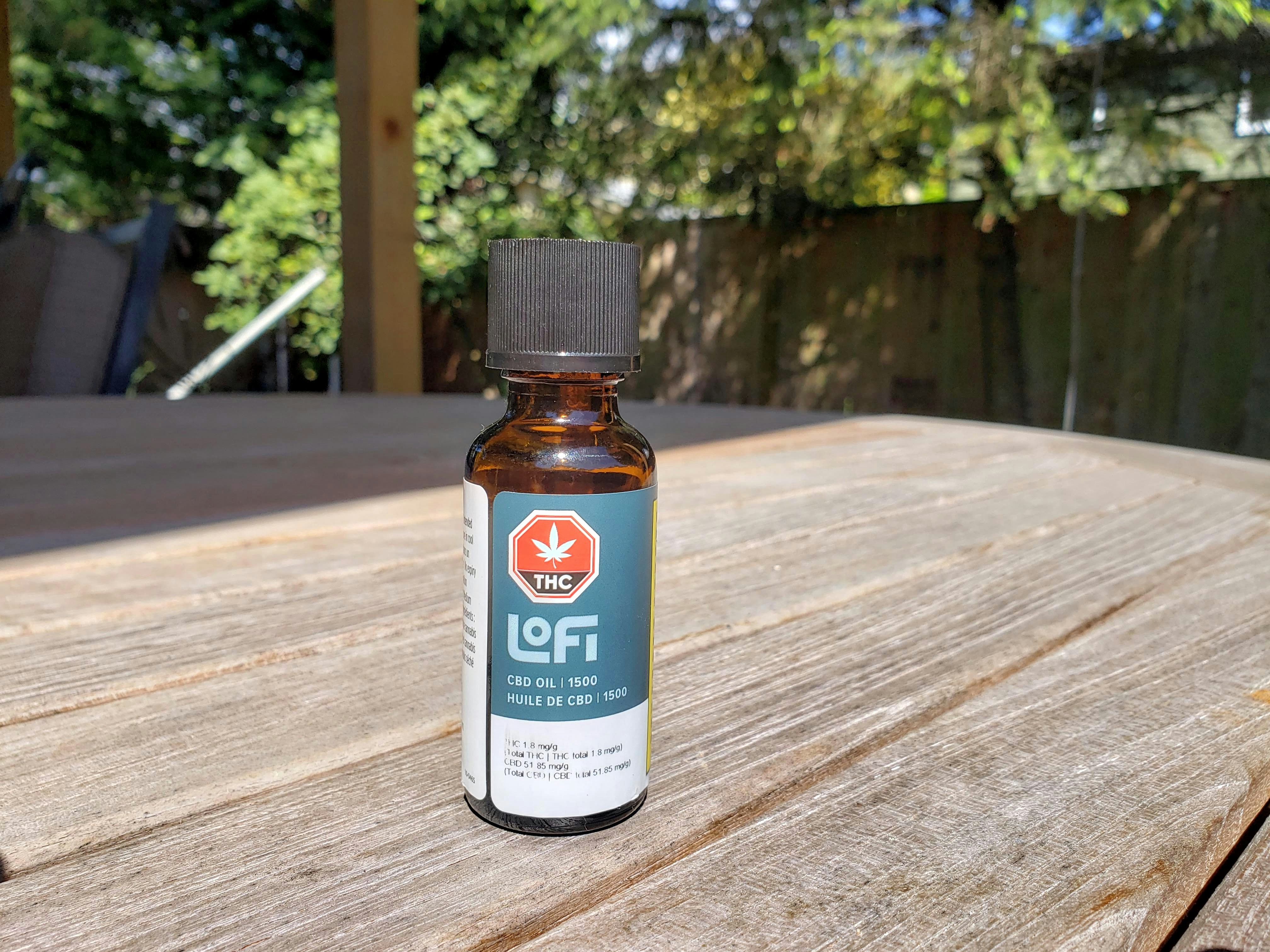
The biggest factor in what your body absorbs is the consumption method. When cannabinoids are used in oil form such as edibles and tinctures, the bioavailability decreases. The human body is comprised primarily of water, and as you learned when you were younger, oil and water simply don’t mix. Cannabinoids in oil forms resist absorption causing diminished and delayed effects.
Not all cannabinoids are created equal
Research shows that the bioavailability of cannabinoids is greatly affected by the delivery method. CBD and CBN can penetrate tissue ten times more effectively than THC when applied as a transdermal patch or a topical ointment.
On the other hand, when ingested orally or through the lungs, THC is more bioavailable than CBD by nearly twice as much.
It’s all about the method
The first pass effect, which is when the cannabis goes through the liver, such as when you take soft gels, capsules, edibles, and tinctures, limits bioavailability. Edible absorption is unpredictable, slow, and extremely limited at roughly 6%. Oral administration tends to be fairly long-lasting with effects enduring longer than smoking, however, smoking or inhaling cannabis increases bioavailability because the molecules are transported directly to the lungs, allowing the cannabinoids to contact the bloodstream without passing through the liver.
Intranasal delivery is extremely bioavailable and fast-acting at nearly 50% bioavailability in the best cases. This method can be used to help with seizures or impending migraines.
Lastly, the most bioavailable method is also a bit newer. Nano-emulsions and micro-emulsions provide 100% bioavailability. The side effects and potential consequences as well as the benefits of this are not as thoroughly researched due to their novelty as these more familiar delivery methods.
How can you increase bioavailability?
Combining edibles with fats such as dark chocolate, hummus, and guacamole is one of the best ways to increase your body’s ability to absorb the cannabinoids.
If you smoke, increase the number of puffs and decrease sidestream loss. A handheld vaporizer can help with that, but be sure to buy a safe brand if that’s your preferred method.