Many cannabis users and those curious about cannabis are starting to use marijuana in small doses without the intention of necessarily getting high. This is also known as microdosing, a way of getting the benefits of THC, while still being able to function unimpaired.
Lending further credence to this practice is the fact that researchers are finding the medical benefits of THC can be obtained with very little consumption. Sixty-one percent of Americans are for cannabis legalization. Many people want to figure out how to safely and healthily add it into their lifestyle without it affecting their jobs or other aspects of their lives negatively. Microdosing is a growing trend, especially among women, the largest consumers of low-dosage edibles. The smart companies are beginning to produce a wider variety of low-dose, THC-light products because they can sell to the experienced micro-dosers and the ever-growing crowd of the cannabis curious.
Small amounts of THC can have big benefits including:
- Improved mood
- Improved sleep
- Reduced pain
- Reduced depression
- Reduced anxiety and stress
- Increased creativity
Patients with advanced cancer, whose bodies were not responding to traditional painkillers, were given a THC/CBD compound at low, medium, and high doses. Patients who took the compound in low doses experienced the greatest pain reduction, while those who took the highest doses actually suffered greater pain.
In a separate study, a group of inmates were given Nabilone, a synthetic cannabinoid in four milligram doses to treat PTSD. Their symptoms improved. Chronic pain and nightmares seemingly melted away.
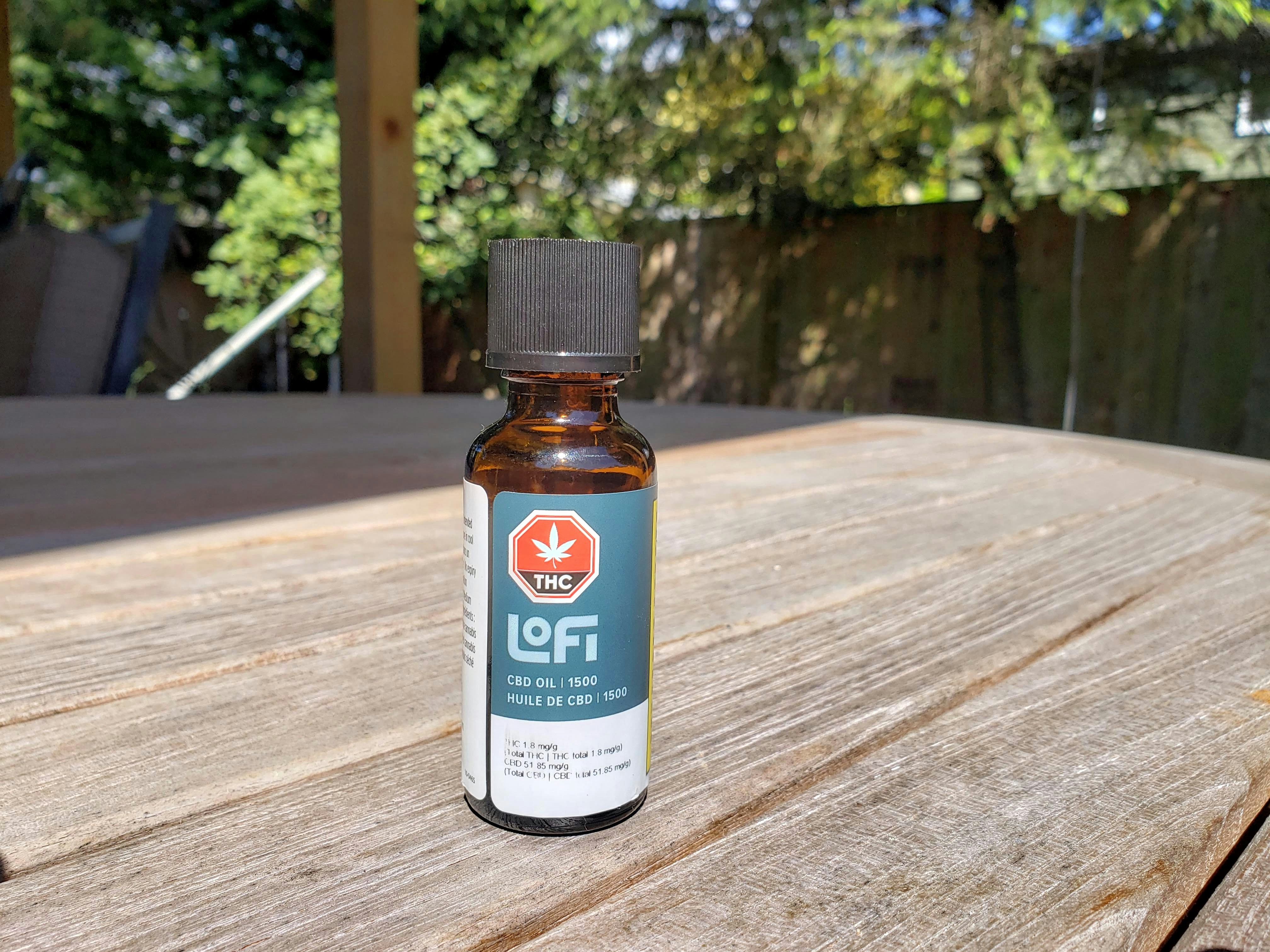
As far as the ideal amount to maximize the perks and negate the side effects, a microdose is usually between two to five milligrams of THC (experts often recommend 2.5 milligrams). However, everyone’s body reacts differently to the things they consume. For instance, a frequent marijuana user could go up to 10 milligrams and still consider it to be a microdose because their tolerance is likely built up. Tinctures, edibles, and controlled-dose vape pens are effective ways of gaging THC-consumption. Smoking is much more difficult to measure and you can imagine trying to cut into a batch of brownies, thinking you’ll have a precise idea of how much THC is distributed throughout.
Experts recommend consuming the same amount of THC in milligrams for two to three days in a row, while marking down how you react to it. If you experience no major effects, up the amount by another milligram and wait for the same time period to examine the influence it has on your body. If you decide to microdose multiple times a day, start with one in the morning and another in the evening. If the intoxicating effects emerge, reduce your frequency and perhaps the dosage. If you are an avid cannabis consumer, you can essentially cleanse your body in 48 hours by stopping use in order to enjoy the perks of microdosing.
At the end of the day, there are a number of factors that inform the dosage you should use such as your genetic makeup of cannabinoid receptors, prior usage, and liver metabolism among other things. Balance the science with your own instinct.