Historians and anthropologists have long-known that cannabis has been used since ancient times. The references to the plant go back thousands of years, but we now have a more precise timeline thanks to researchers from the Chinese Academy of Sciences. The team discovered a 2,500-year-old bong.
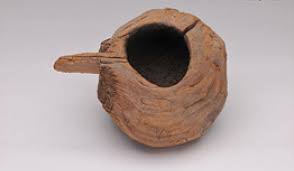
The archeologists who uncovered the bong refer to it as a wooden brazier, but the function of the device was to get everyone in the ceremonial hut high during funerals. While a bong technically uses water, the brazier does not, but it was designed to smoke cannabis nonetheless. The burned botanical residue found in the device at the Jirzankal Cemetery on the Eastern Pamir region of China underwent a chemical analysis, which showed that cannabis was commonly burned in these wooden braziers during funerary ceremonies. This places religious cannabis use dating back over two millennia ago. In total, there were ten such braziers found at the site (picture large one-hitters) each with carved insides for large nut-sized rocks to be heated and subsequently inserted into the bowls — many of which were somewhat charred from this ancient practice.
Herodotus recorded that the people of the region would sit in small tents and smoke, burning the plants in a bowl with hot stones. Now we have the evidence to corroborate his story. The frozen tombs of the Pazyryk culture in the Tuva Republic, Russia further corroborate his accounts. Some cultures of the time were even said to use marijuana as a cleansing agent to bathe their spirits similar to how water would bathe the body.
The research team theorized that the funerary ritual was used to commune with the dead, however, it is possible the mourners were simply trying to enjoy themselves and get extremely baked instead.