In recent years, a number of states have legalized recreational cannabis use. For medicinal purposes, marijuana has been legal in a limited number of states and jurisdictions. However, the tide has turned, especially as legal weed in Colorado proved to be such an economic success. Now, one by one the states are allowing the use of recreational cannabis — and business is booming for it.
Initially, much of the conflict between state and federal law stemmed from the distinction between recreational and medical marijuana. Yet, there are a few key differences in these types of marijuana and how they’re sold and regulated, which they go beyond simply being used in a non-medical way versus being prescribed.
Most recreational and medical shops function similarly. A medical dispensary usually requires a medical cannabis card and an ID to purchase cannabis. Recreational dispensaries, on the other hand, are usually not allowed to dole out any medical advice to customers even if that individual qualifies as a medical user. Both types of dispensaries offer almost the exact same kinds of products — concentrates, topicals, drinkables, strains, edibles, and vaporizers.
Outside of the shops, it’s a free-for-all, but in the context of weed sold through a shop, medical users will typically benefit from higher quantity restrictions, lower costs, higher THC potency limits, and lower taxes. Medical users can also grow their own marijuana and are often permitted to grow more plants.
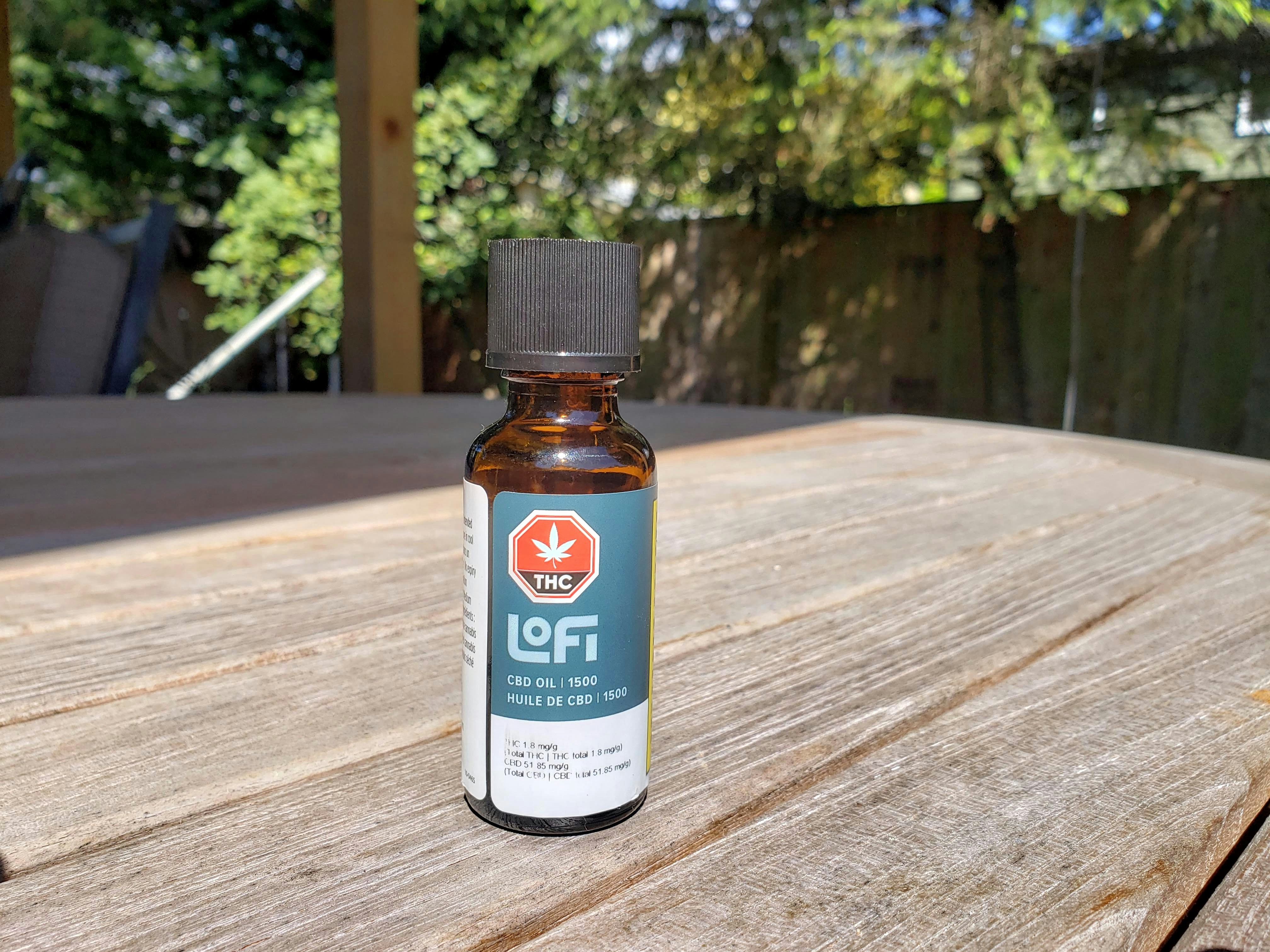
Some of what separates recreational cannabis from medical is the perception surrounding each. A large segment of the U.S. population backs medical marijuana, while the hesitancy for full-throated support of cannabis as a recreational drug is still stigmatized. Recreational marijuana is used primarily for its psychoactive properties, which are triggered by THC. CBD is more important to the medical marijuana space. CBD, the non-psychoactive component of the cannabis plant, can be a tonic for a number of ailments and it has very few notable side effects. THC, on the other hand, does come with possible side effects such as depression, psychosis, and exacerbating mental illnesses.
The most important physical and chemical distinction between medical and recreational marijuana is the ratio of THC and CBD contained in each. Because the goal of recreational marijuana is for the enjoyment of the consumer — the sense of relaxation, distortions, euphoria, and body highs — it usually has a much higher ratio of THC to CBD.