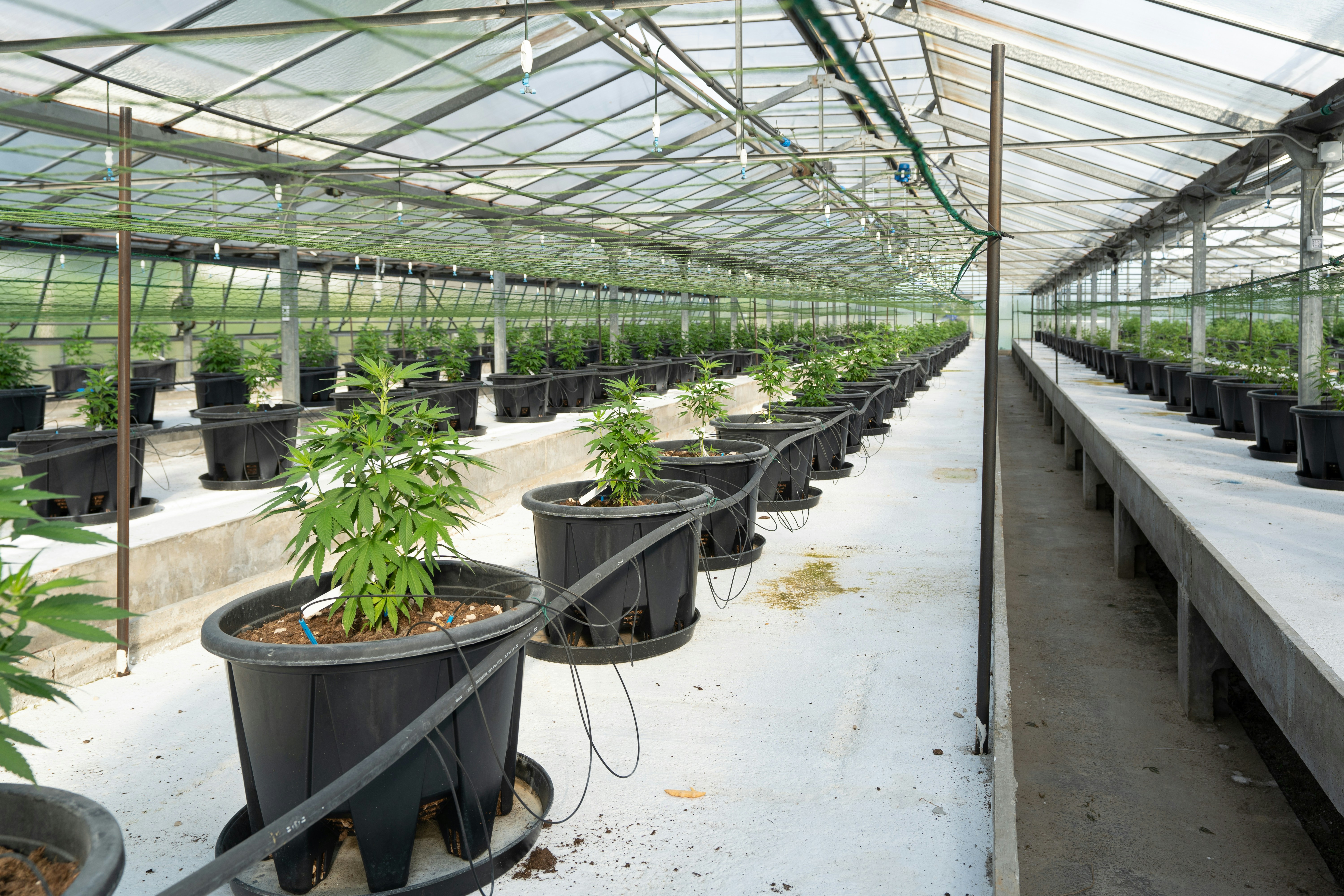
Hemp is one of the most versatile and oldest crops in the world. It also happens to be one of the most environmentally-friendly and, in fact, environmentally beneficial. Hemp can help mankind eliminate traditional plastics and wood pulp paper, giving us a way to live synergistically with nature.
But the uses of this plant are far more extensive than simply replacing plastic and paper. If you’re curious to know some of the unexpected ways hemp could help fix the environment and save the world, take a minute to enjoy this list.
Hemp literally purifies the earth
Soil is the beginning of life for plants and, in many religious texts, mankind. However, as time has gone on, we’ve found endless ways to poison the very thing from which all of life grows. Our pollution has decimated the soil.
The good news is that hemp can restore land to a healthier condition due to its natural ability to absorb toxic minerals. The Japanese even considered using it to remove radiation from the site of Fukushima.
Hemp makes the earth more fertile
Hemp’s deep roots hold the soil in place, preventing erosion and allowing it to grow in a wide variety of soil types and terrains. It increases the microbial content of the soil and the leaves and the stem are extremely rich in nutrients, so the parts of the plants that remain after harvest replenish the earth for the following season.
Hemp cleanses the air
Air pollution harms human health, but its most long-lasting, devastating effects are to the environment. The United States is second only to China in carbon dioxide production. Fortunately, the U.S. has made major strides towards legalizing hemp-growing in a number of states. Although, this is more likely for the economic benefits, but the positive environmental effects hemp could have is something that should give us hope. Furthermore, using hemp for paper instead of wood pulp, removes the need for chlorine bleaching; a fairly serious carbon dioxide culprit.
Hemp reduces deforestation
Scientists estimate that the rate of deforestation equates to the loss of nearly 50 football fields every single minute. Within less than a century, it is estimated that all of the rainforests will be gone. The U.S. consumes more than one-third of the world’s paper despite containing less than 5% of the global population.
The good news is that an acre of hemp can produce as much paper each year as four acres of trees — and it can be grown again in a matter of months. On top of that, hemp paper is more durable because it does not have the acid within it that decays wood pulp paper over time.
The world could run on hemp
Hemp converts to biodisel at a 97 percent efficiency rate and burns at a lower temperature than any other type of biofuel, but here’s the real kicker — it’s non-toxic and 100% renewable. Oh yeah, and it could be produced readily in the United States.
Hemp can help fix the water crisis
It can take 5,000 gallons of water or more to produce a little more than two pounds of cotton. Because cotton is so widely used in fiber production, this water-dependent crop is one of the biggest drainers of freshwater.
Hemp, on the other hand, only requires 634 to nearly 900 gallons of water to yield 2.2 pounds of usable crop for fiber production.
Hemp can turn the world green
With zero need for pesticides or even a hospitable environment, hemp can grow practically anywhere in the world. Imagine all of the unused land throughout the planet gradually being shifted to something that grows a crop that in turn improves the soil. You could essentially reverse bad growing environments or areas that have suffered catastrophic change (again, see Fukushima).
Hemp could feed the planet
Nearly 800 million or 80% of a billion people are underfed worldwide. Thirty percent of children in developing countries (which contain about 90% of the children on this planet) will experience stunted growth from a lack of nutrition.
We just mentioned how hemp can be grown all over the world, but even better in this case, is the fact that hemp seeds supply the body with vitamins, amino acids, and protein, on top of being able to produce oil and flour — two staples of food in pretty much every culture.